Mechanical engineer working across field engineering, aerospace optimization, CFD, and hands-on builds I teach myself from scratch. This is where the work lives.
I'm RJ, a mechanical engineering student at the University of Georgia, graduating December 2026. I'm drawn to problems that don't stop at the CAD screen, where you have to model it, analyze it, then make it actually work in the real world.
My range runs from field engineering on a utility grid-hardening program and aerospace optimization on a Lockheed Martin-sponsored capstone, to co-founding a tour business with my mom in the Virgin Islands. When a build needs a skill I don't have yet, I teach it to myself. I learned soldering, power electronics, and embedded firmware on my own to build a walking robot in five days.
What ties it together is the full loop of design, build, and test, and communicating the work clearly enough that anyone in the room understands it.
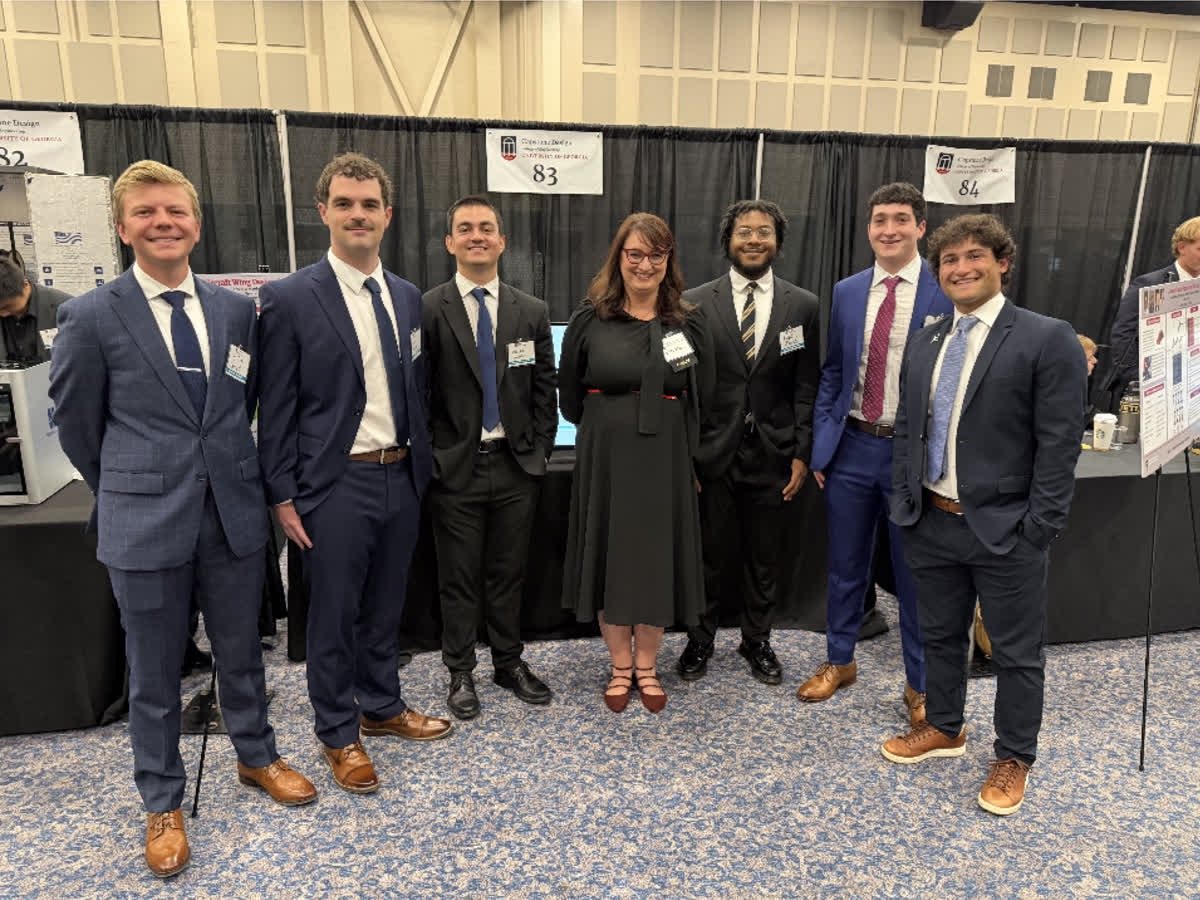
A multi-fidelity workflow that redesigns a UAV wing for less drag at the same lift, built with OpenVSP, AVL, Python (AeroSandbox), and Ansys Fluent. CFD-validated at L/D 21.9, and it won Viewer's Choice at the UGA Capstone Design Showcase. Includes the real optimized airfoils, planform, poster, and code.
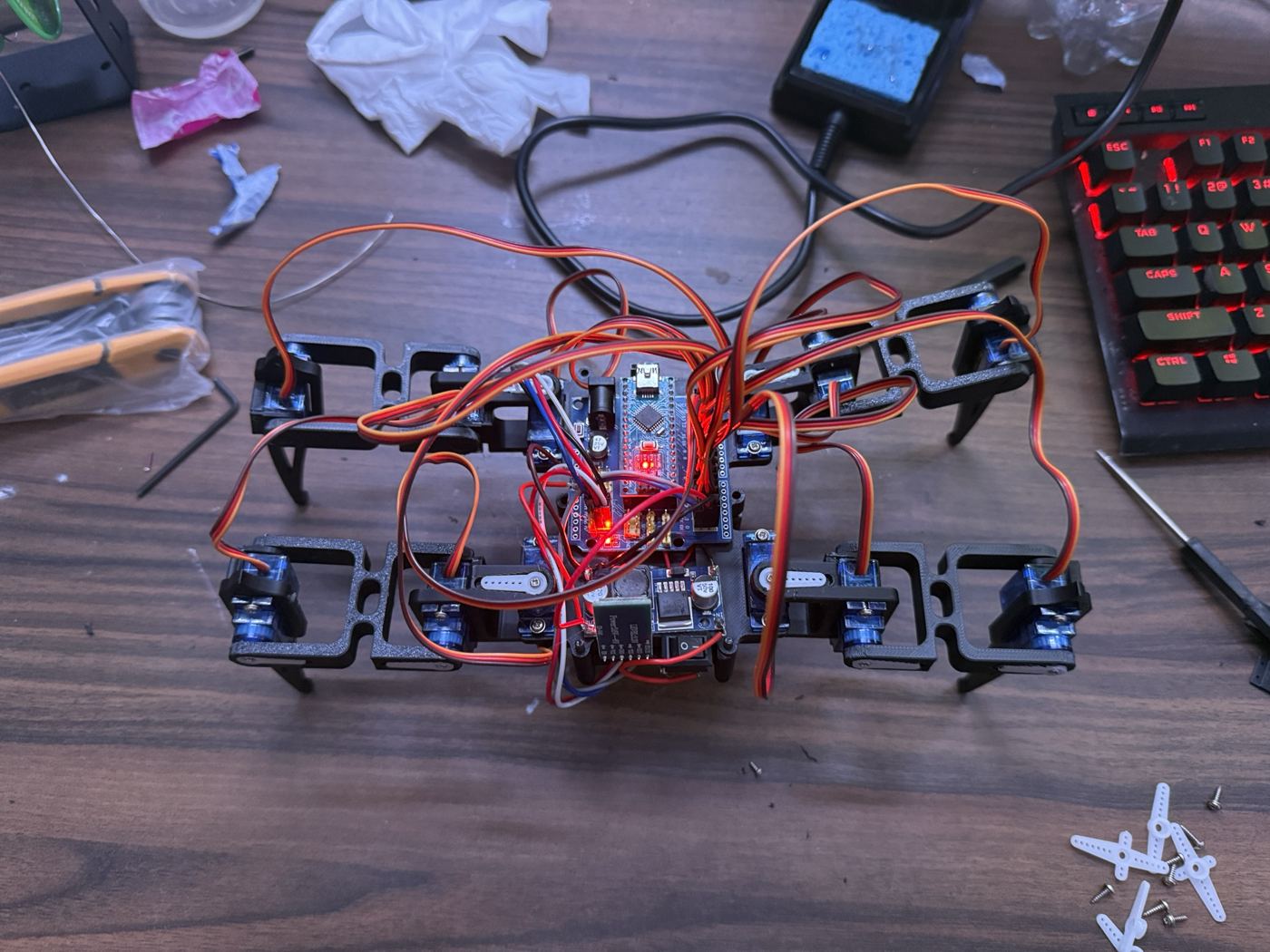
I had never soldered before this build. I taught myself, printed the whole frame on my own printer, hand-soldered a 2x 18650 battery system through a buck converter to a 5V servo rail, calibrated 12 servos, and flashed the gait firmware. Five days from parts to a robot standing on its own legs.
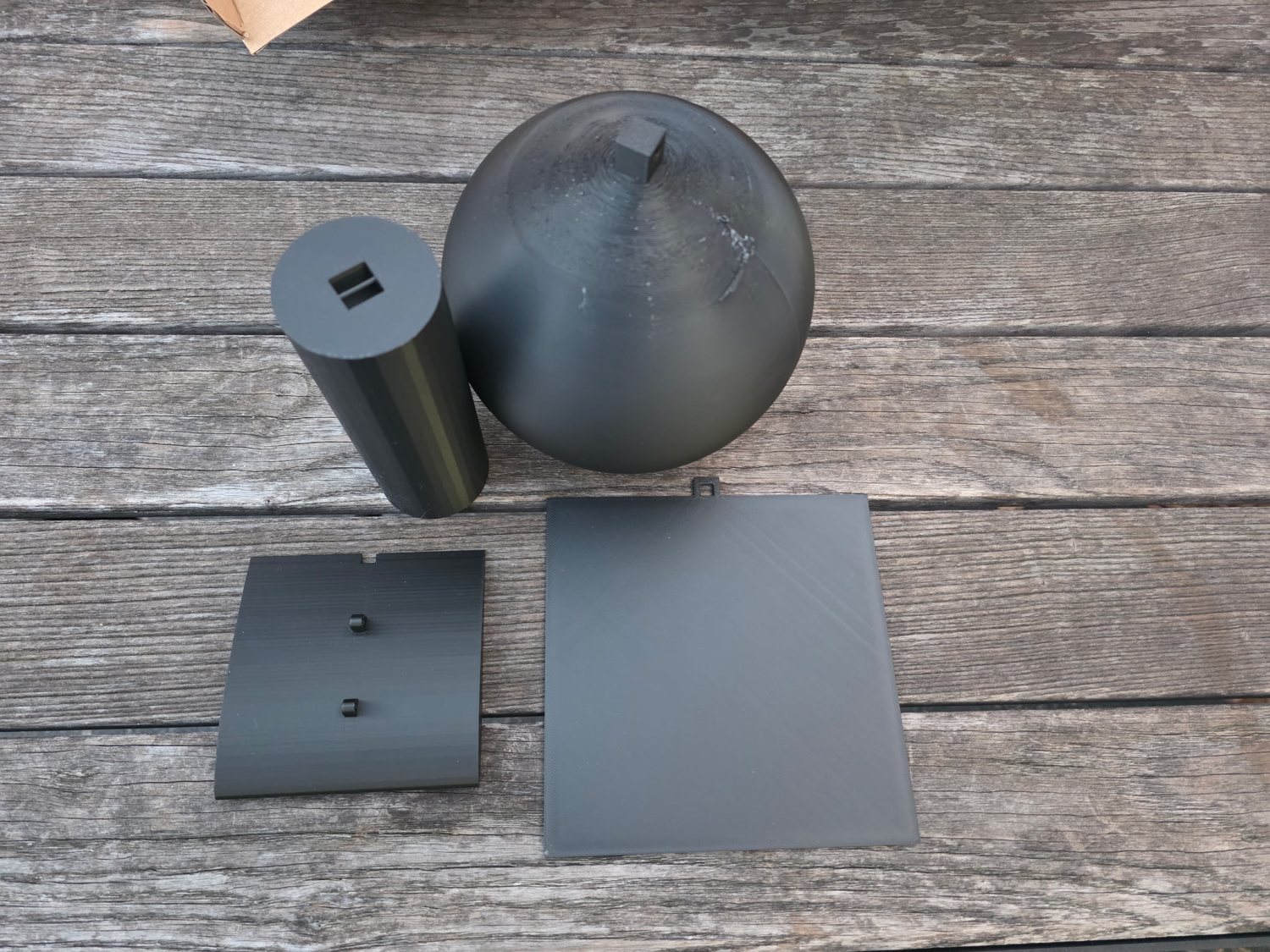
Built a small wind tunnel and measured drag on four shapes at two speeds, then rebuilt every run in Ansys Fluent. The streamlined airfoil beat the flat plate by more than 30x, the hands-on version of what the Lockheed capstone optimized for.
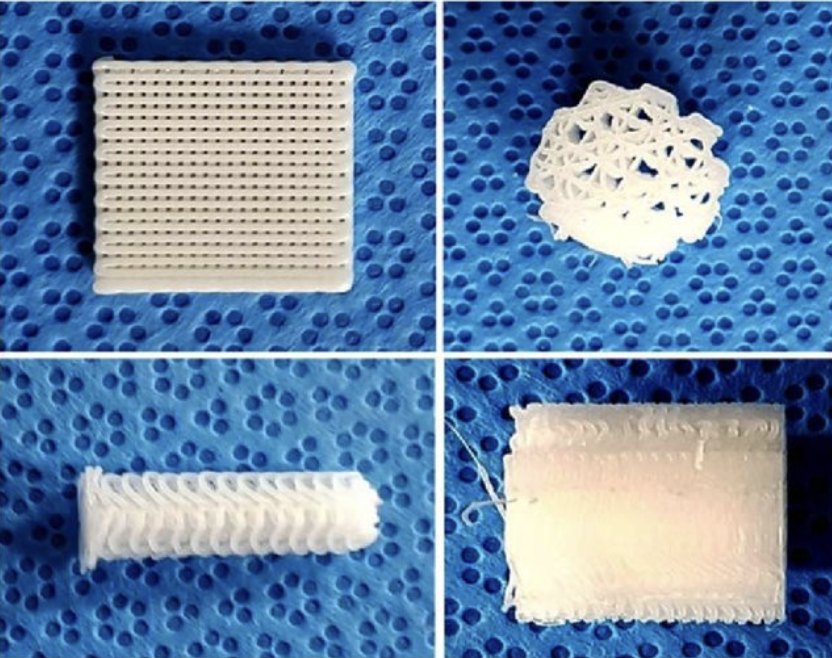
Designed, printed, and simulated porous scaffolds for jaw reconstruction, balancing high porosity for tissue growth against surviving real bite loads. I led the fabrication and material studies; FEA showed a very stiff lattice with stress concentrating at the strut junctions.
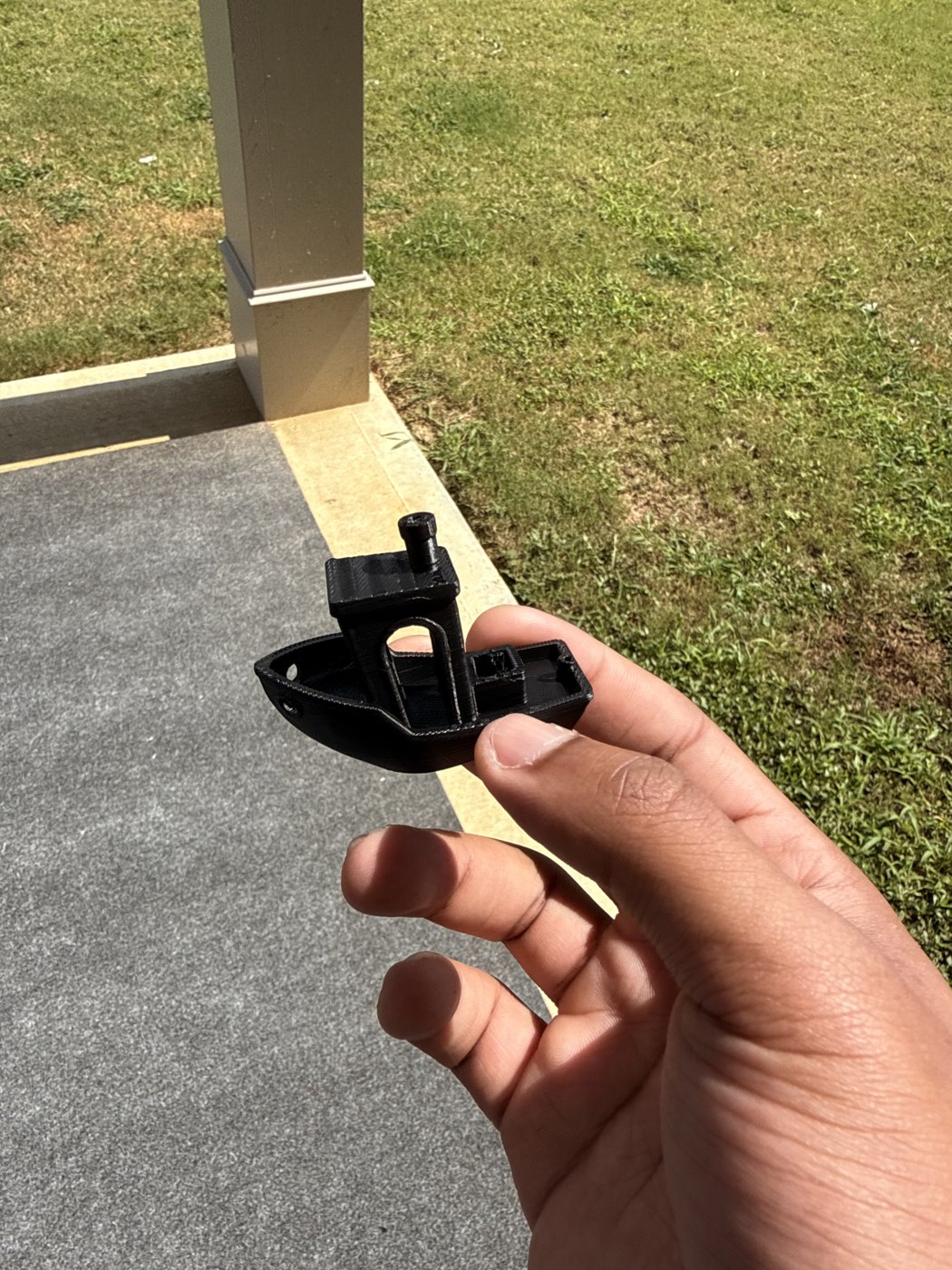
I taught myself the full fabrication loop on my own printer, from calibration prints to the load-bearing frame of a walking robot, and the principles (thermal control, cooling, tolerances, orientation) that turn a CAD model into a part that performs.