Field Engineering Intern, HKT Energy Group
I spent the summer on the U.S. Virgin Islands' underground electrical program with HKT Energy Group, working the field side of a territory-wide effort to bury overhead power lines and harden the grid against hurricanes. It was my first real taste of how a set of engineering drawings actually becomes buried infrastructure.
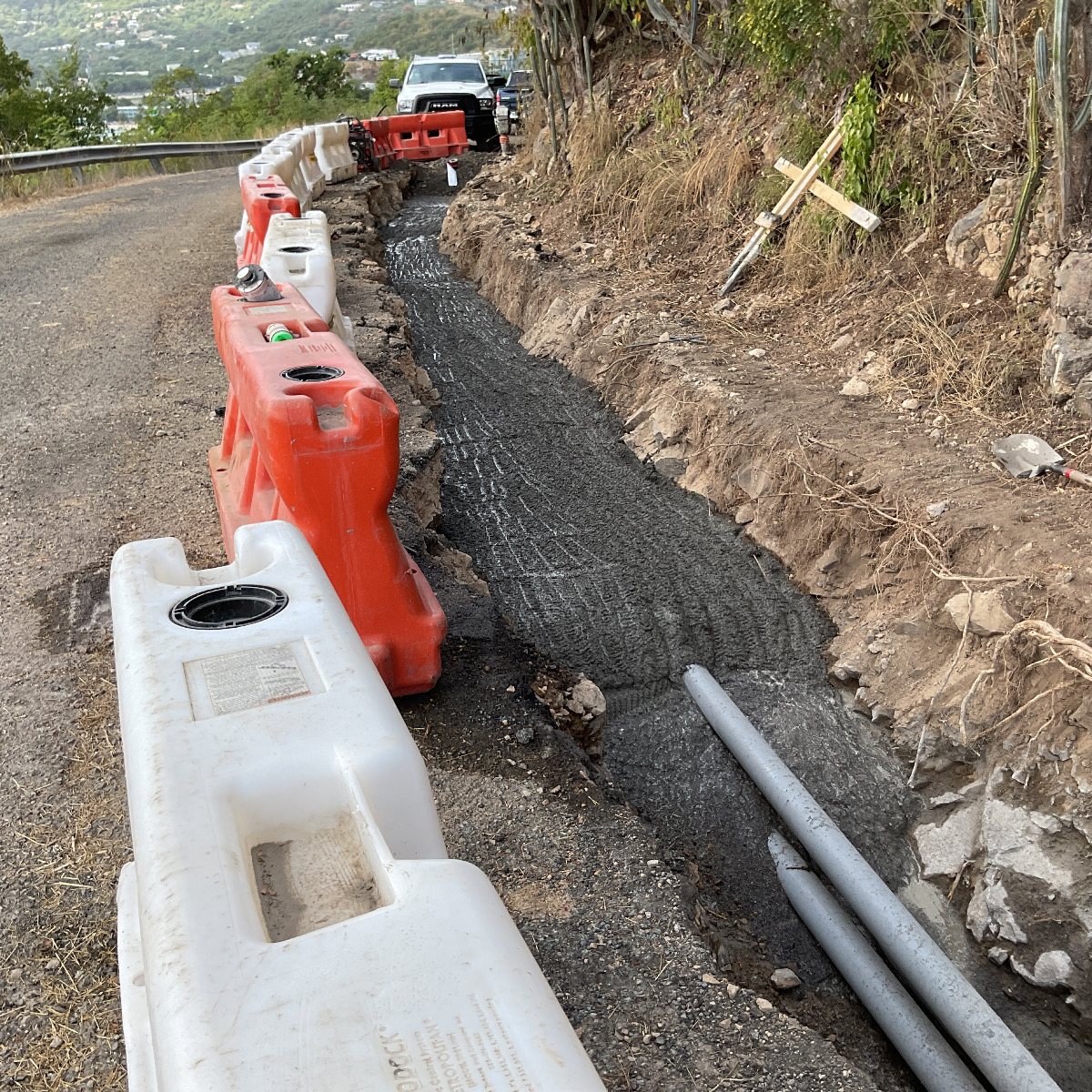
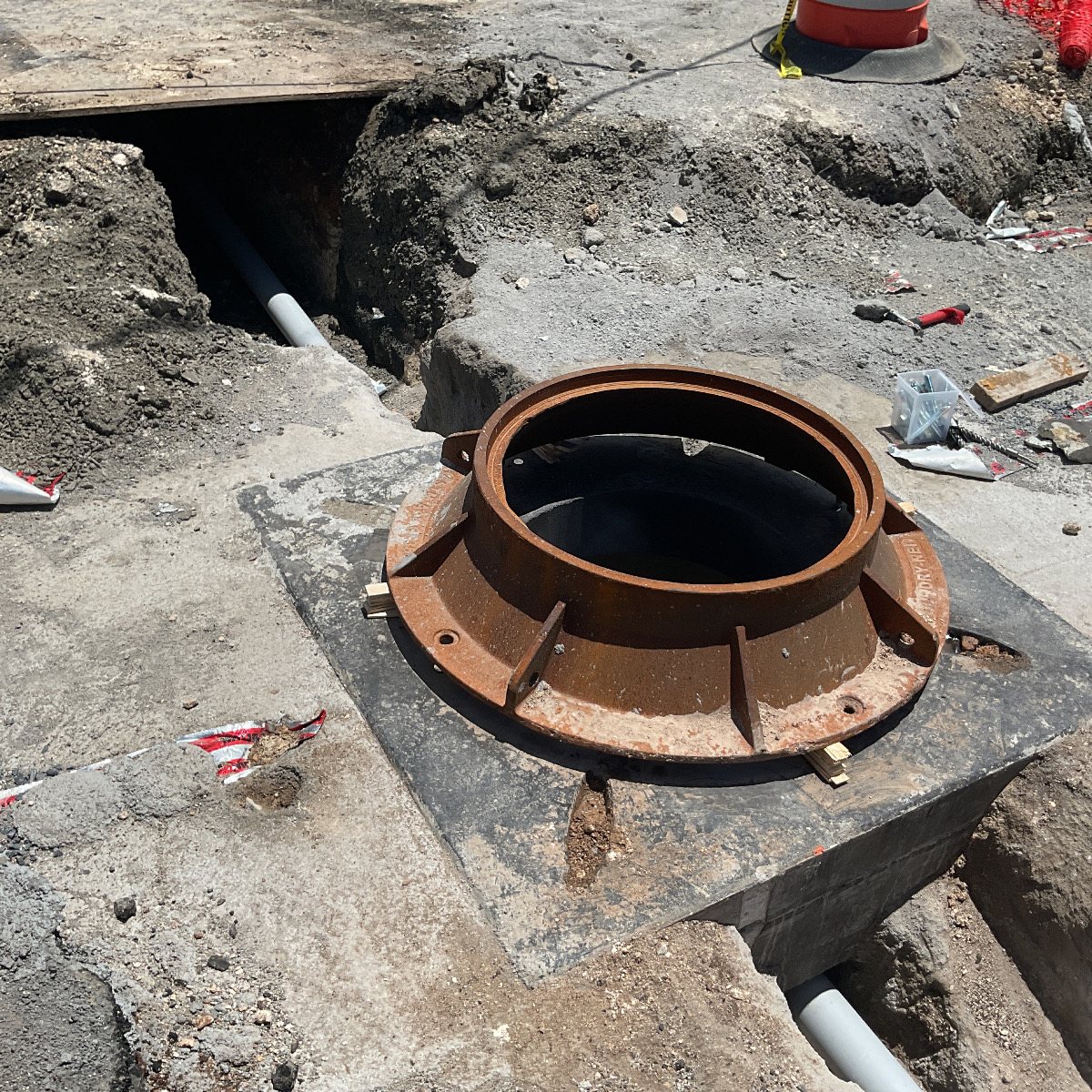
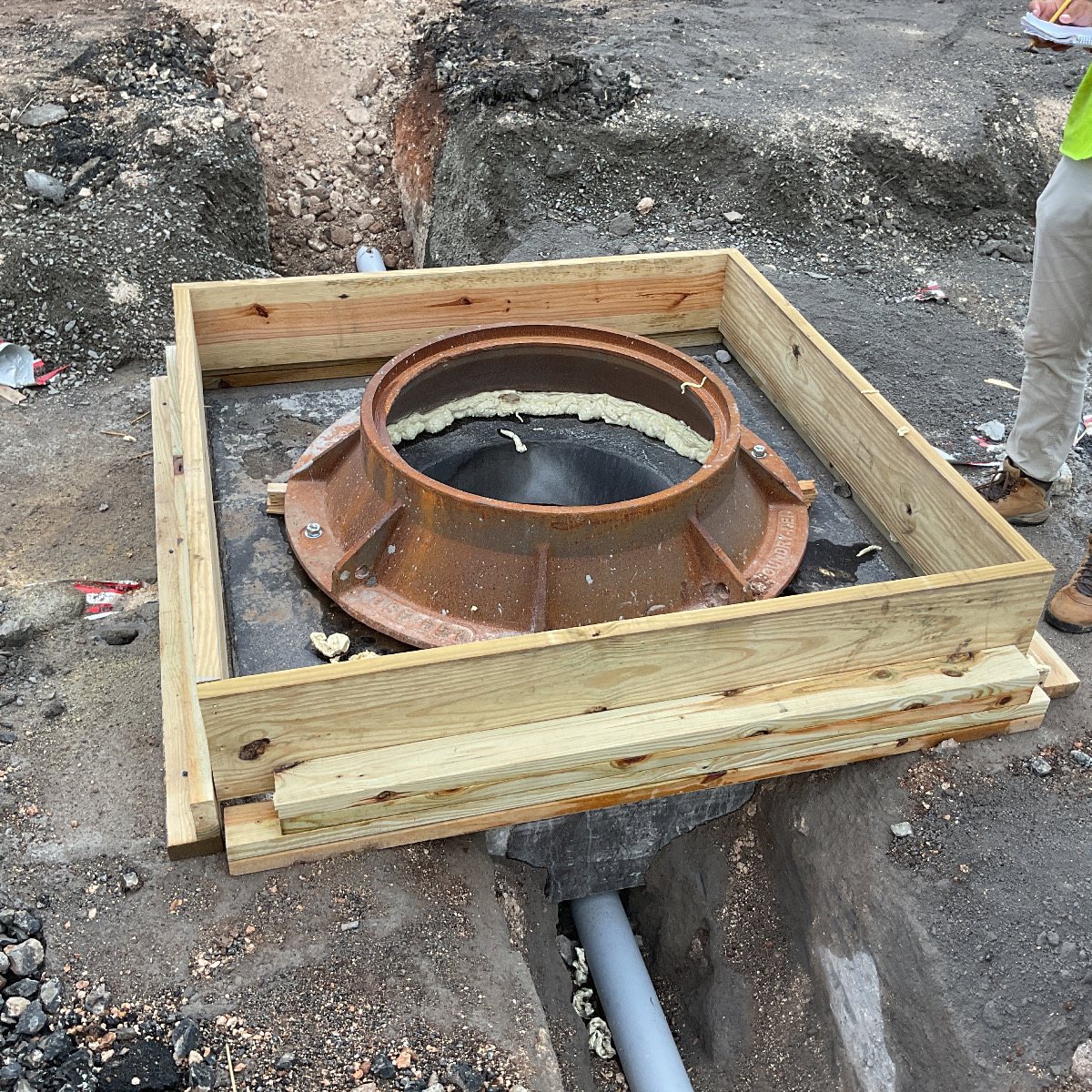
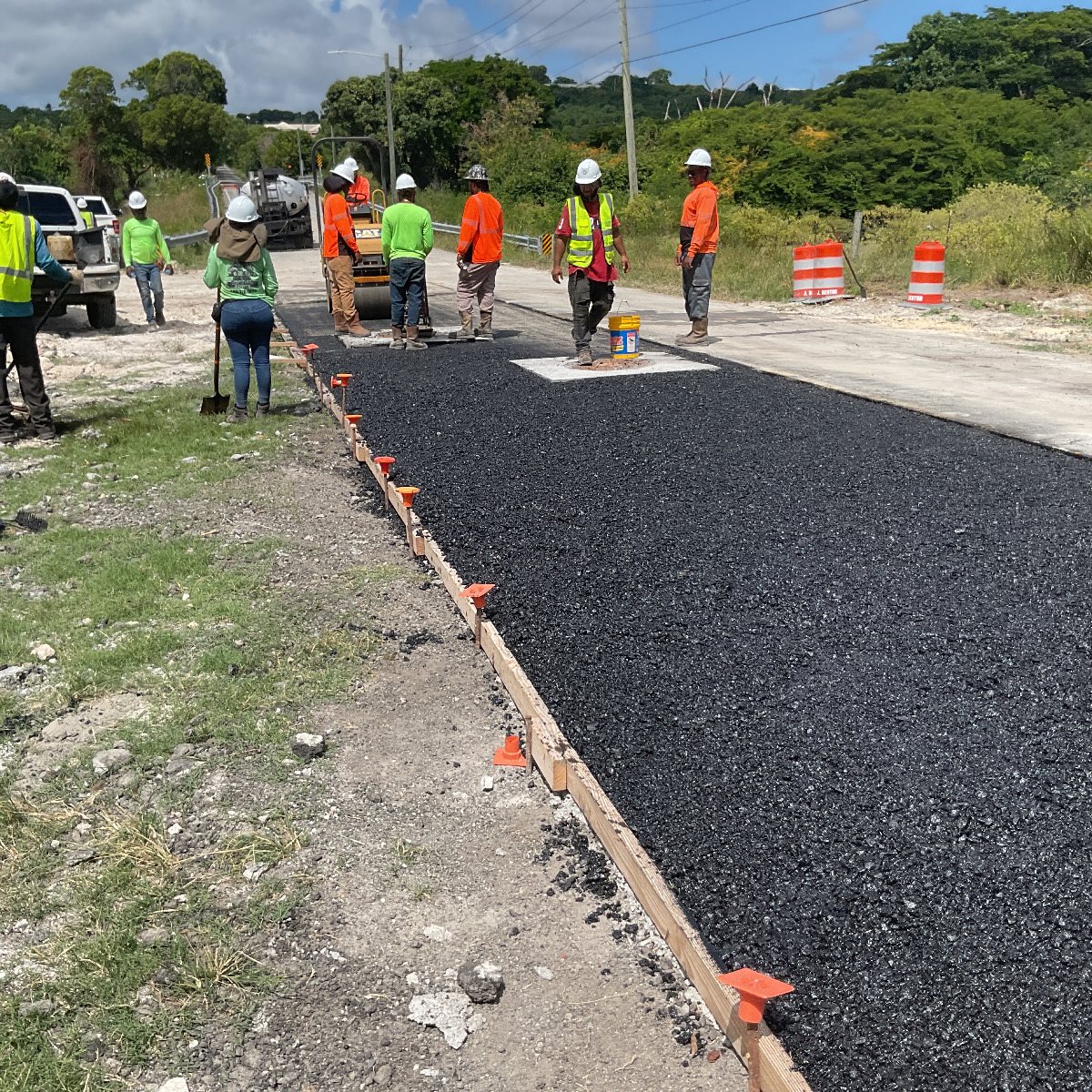
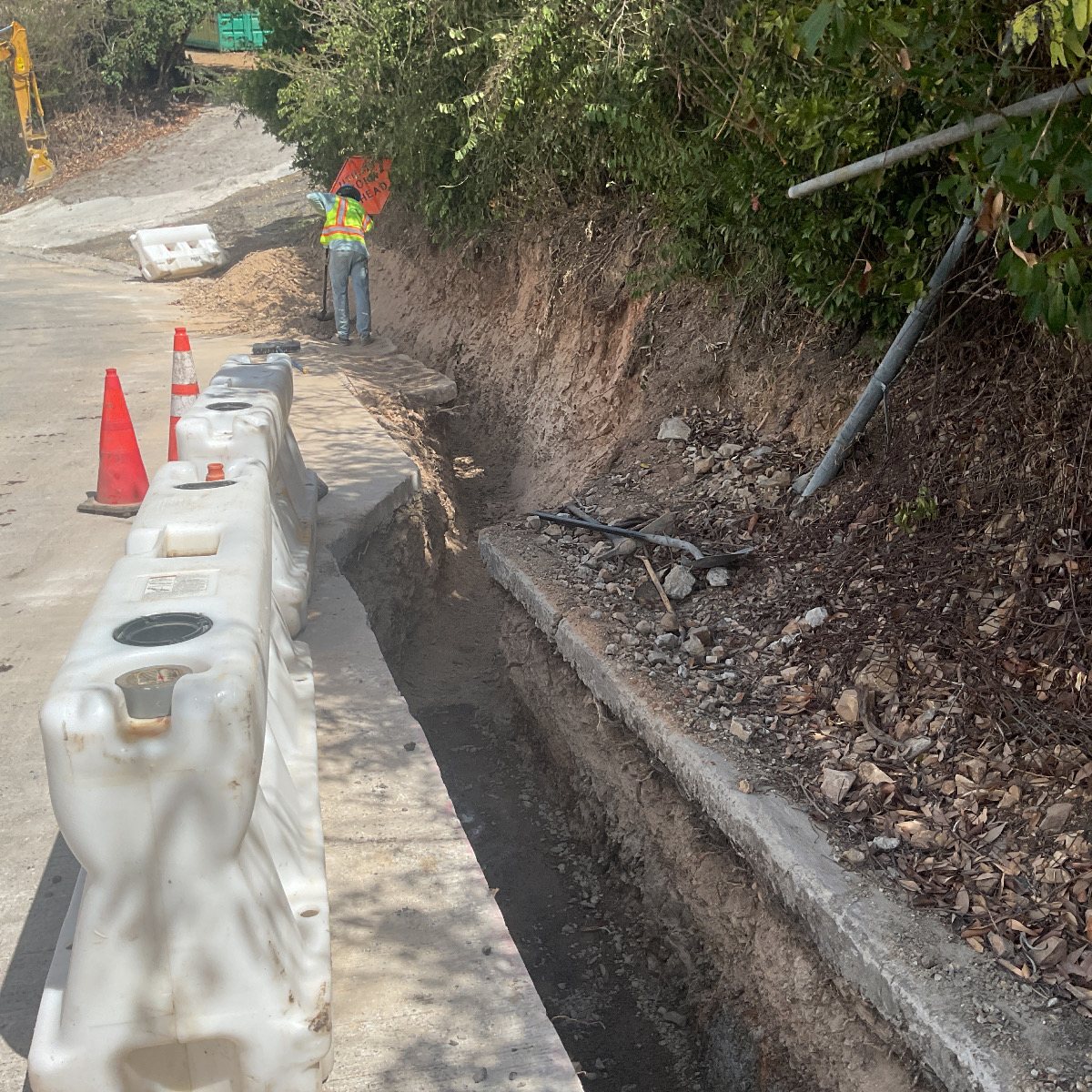
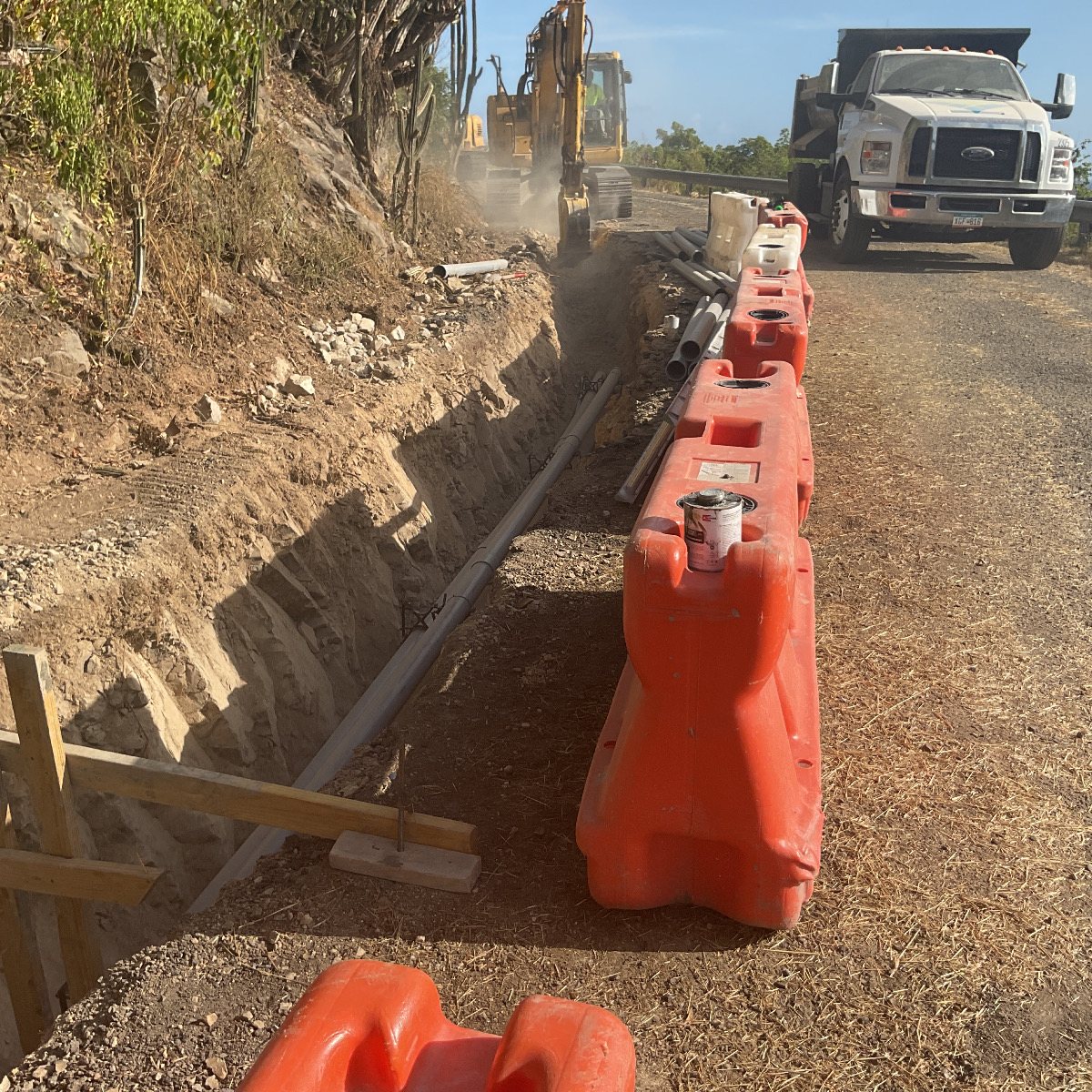
The Virgin Islands Water and Power Authority (WAPA) is converting overhead distribution to underground infrastructure across the islands, a resilience push funded largely by FEMA after Hurricanes Irma and Maria destroyed much of the grid in 2017. On the ground, that means cutting trenches along steep, narrow island roads, laying concrete-encased duct banks, setting manholes and handholes, pouring equipment and pole foundations, and then restoring the roadway. The goal is a system that can ride out a major hurricane instead of coming down with the first one.
HKT Energy is a local U.S. Virgin Islands energy and engineering-services firm, founded by former WAPA leadership, that supports this kind of utility work. FXB Engineering serves as WAPA's engineering consultant on the undergrounding, producing the designs and duct bank drawings the field crews build to. My internship sat right where those drawings meet the dirt: taking the intent on paper and helping make sure what went in the ground matched it.
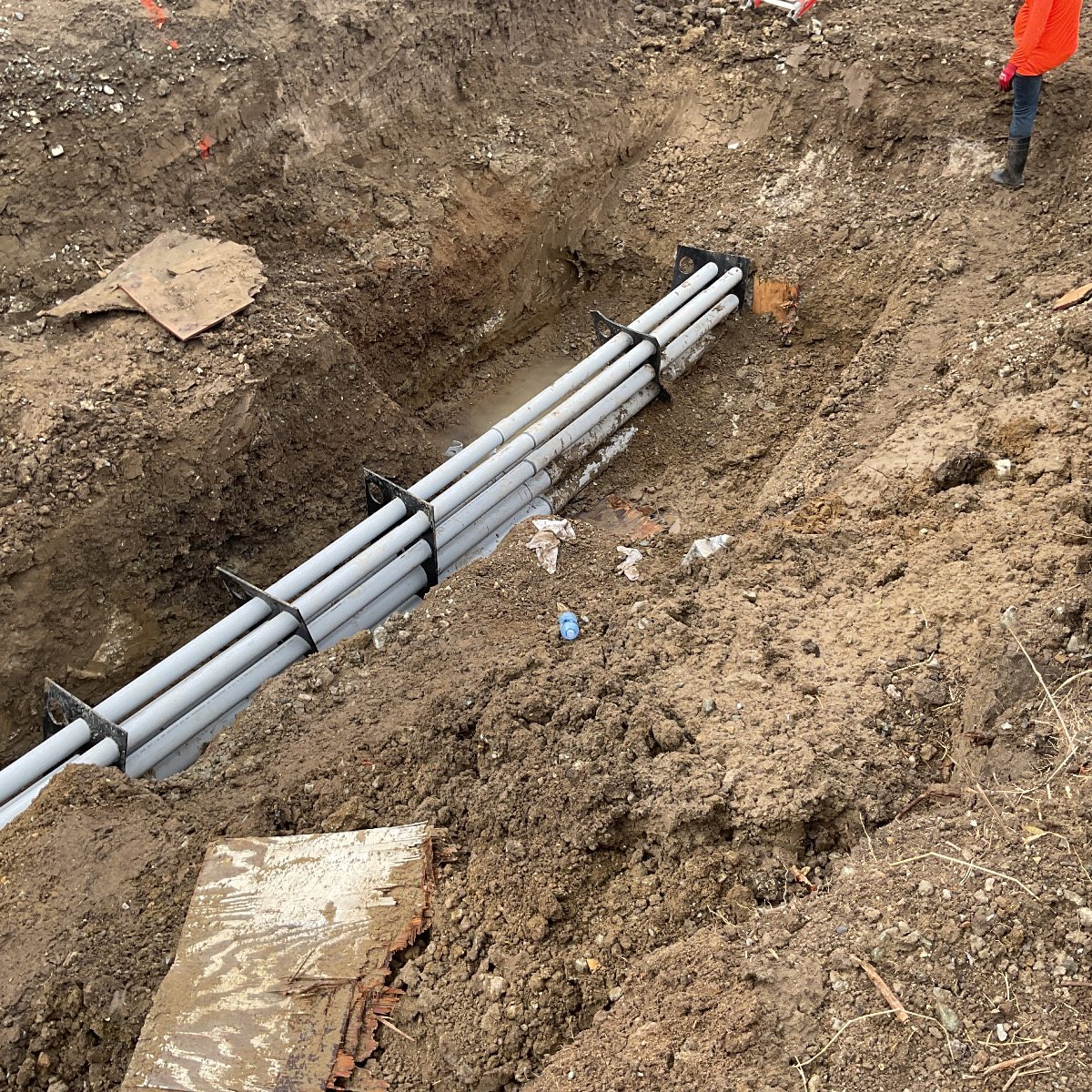
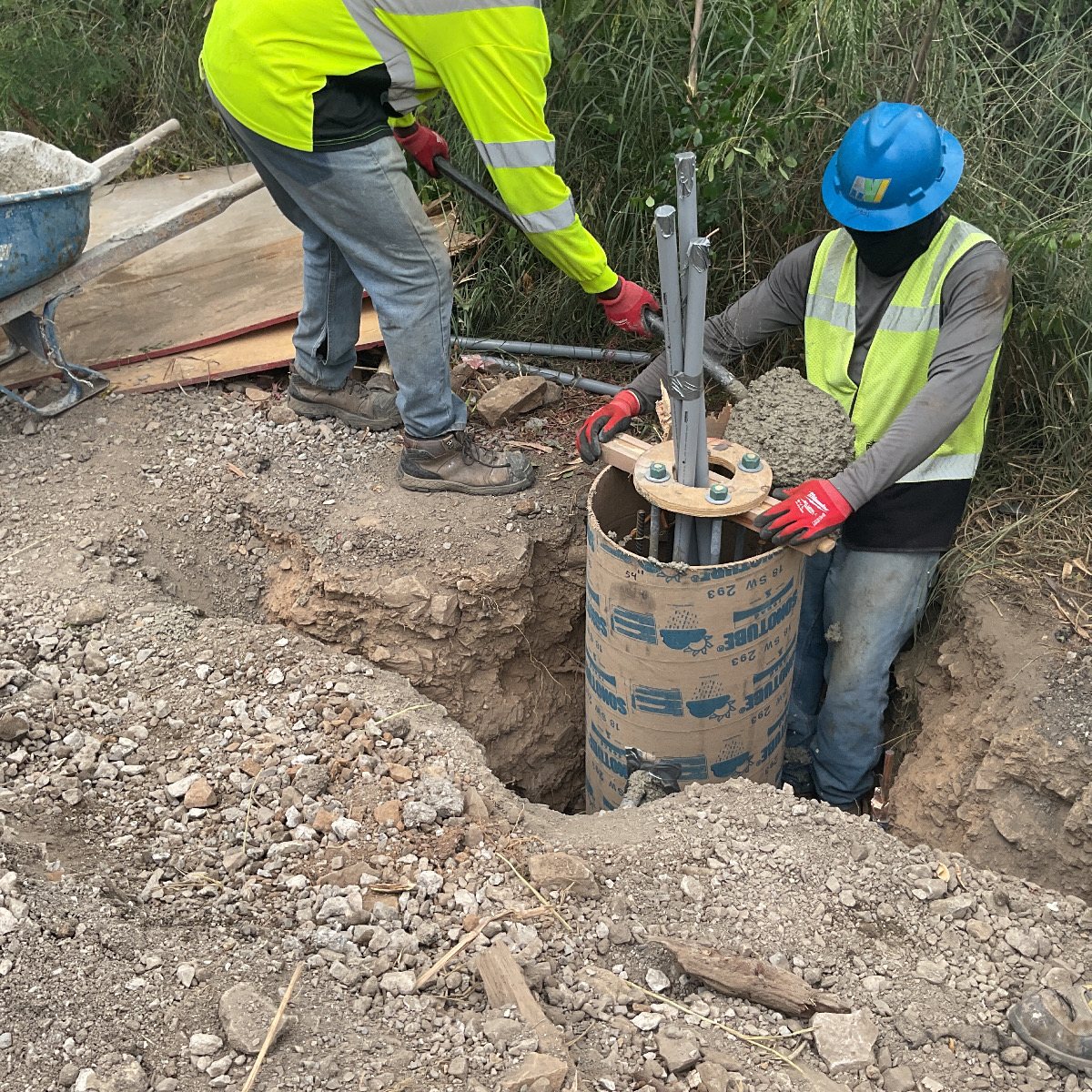
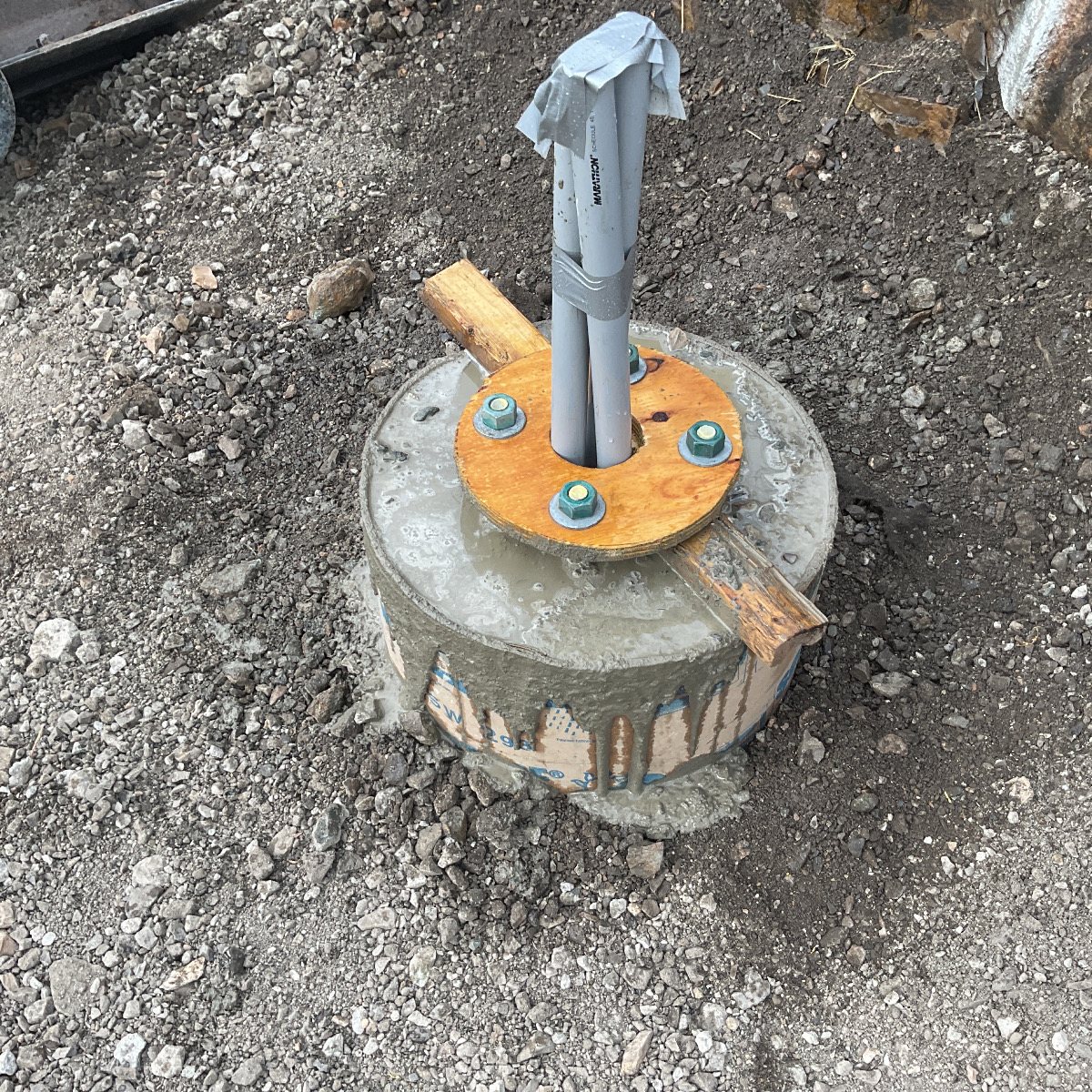
I supported field engineering across the duct bank installation, following conduit from open trench to concrete encasement, checking duct bank layout and conduit spacing against the drawings, and documenting installed work and daily progress. I got hands-on with the details that make a duct bank last: conduit alignment and spacers, the anchor-bolt templates that locate equipment and pole foundations, manhole and handhole frame setting, and the concrete pours that encase and protect the whole system. I also saw the full sequence through to road restoration and repaving.
Real construction moves differently than a drawing does. I learned how design intent survives contact with steep terrain, weather, traffic control, and a live utility that customers still depend on, and how much of field engineering is documentation, coordination, and solving problems in real time. It's the experience that pointed me toward field and infrastructure engineering.